
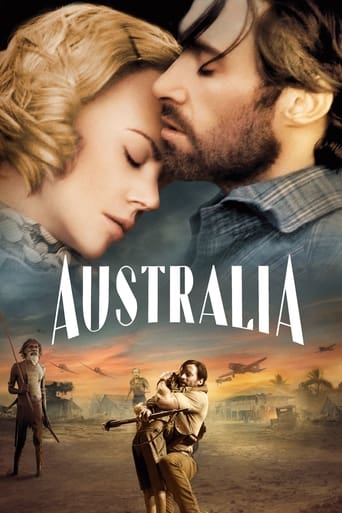
 ★ 6.6
Tasmanit
Two countries face each other across the Tasman Sea, and each has made a cinema all its own. This guide gathers 156 films of Australia and New Zealand on twelve shelves: the outback, the roads of Mad Max, the coast and the history of Australia; its crime, horror, comedies and family films; and the comedy and drama of New Zealand, the films made in Middle-earth and the Hollywood films shot down under, with synopses, cast and where to watch.
Both shores
The outbackThe outback
See the shelf (13)★ 6.6 ★ 6.5
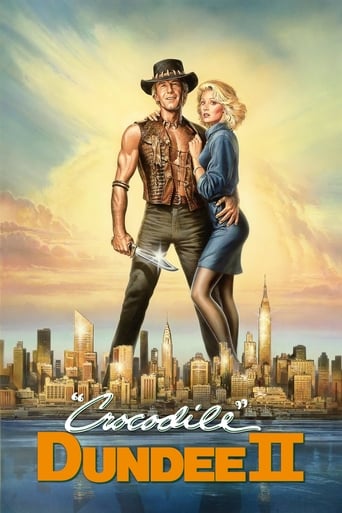 ★ 5.9
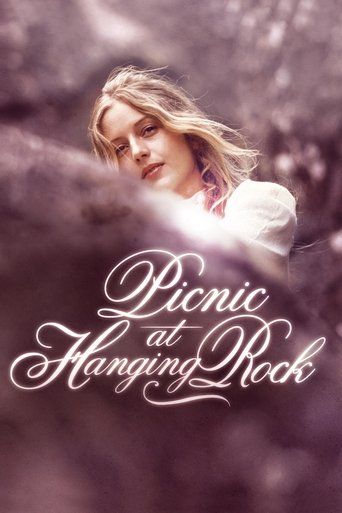 ★ 7.2
 ★ 6.8
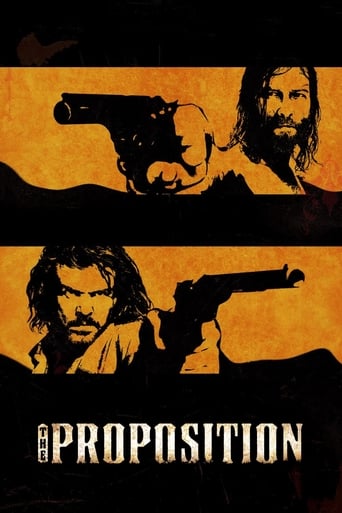 ★ 7.0
 ★ 7.3
 ★ 7.3
 ★ 7.0
 ★ 7.2
 ★ 6.6
 ★ 6.2
Roads and wastelandsRoads and wastelands
See the shelf (13)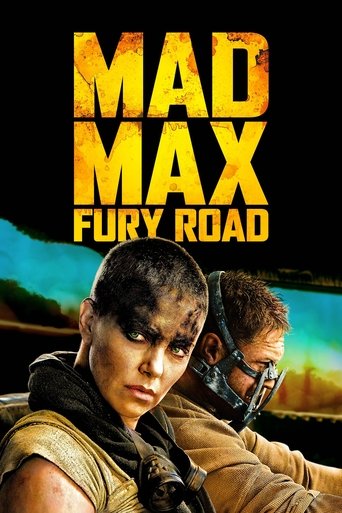 ★ 7.6
 ★ 7.4
 ★ 6.7
 ★ 7.4
 ★ 6.2
 ★ 6.2
 ★ 6.3
 ★ 6.4
 ★ 6.1
 ★ 6.5
 ★ 5.9
 ★ 6.1
The coast and the seaThe coast and the sea
See the shelf (13)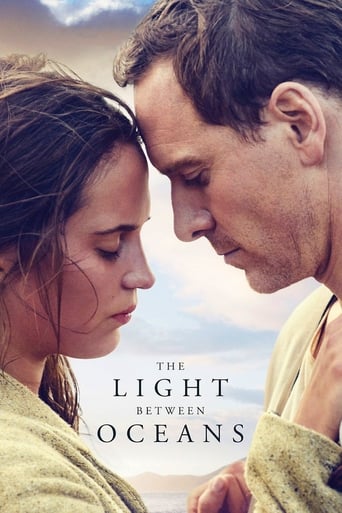 ★ 7.1
 ★ 5.9
 ★ 6.1
 ★ 6.6
 ★ 5.6
 ★ 6.3
 ★ 5.6
 ★ 5.9
 ★ 7.1
 ★ 5.8
 ★ 6.6
 ★ 5.3
History and warHistory and war
See the shelf (13)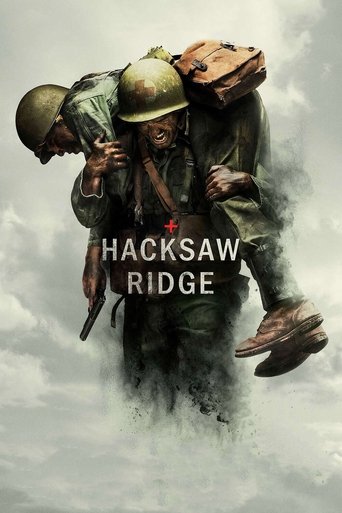 ★ 8.2
 ★ 6.8
 ★ 7.0
 ★ 7.1
 ★ 6.0
 ★ 6.8
 ★ 5.9
 ★ 7.0
 ★ 6.8
 ★ 7.1
 ★ 6.2
 ★ 6.4
Crime and dramaCrime and drama
See the shelf (13)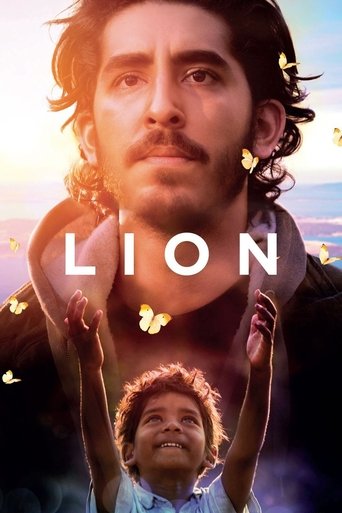 ★ 8.0
 ★ 6.8
 ★ 7.4
 ★ 7.1
 ★ 6.5
 ★ 6.8
 ★ 6.3
 ★ 6.7
 ★ 6.6
 ★ 5.8
 ★ 6.3
 ★ 6.1
Australian horrorAustralian horror
See the shelf (13)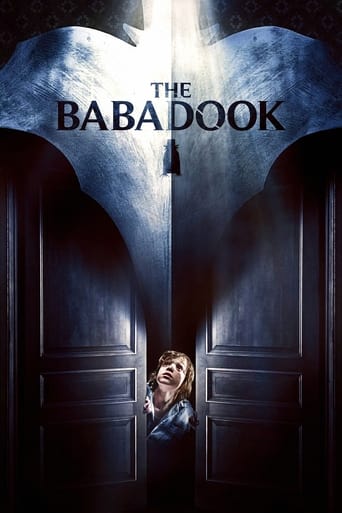 ★ 6.5
 ★ 7.1
 ★ 7.1
 ★ 6.3
 ★ 7.3
 ★ 6.4
 ★ 6.7
 ★ 6.1
 ★ 6.1
 ★ 5.8
 ★ 6.1
 ★ 5.5
Comedies and musicalsComedies and musicals
See the shelf (13)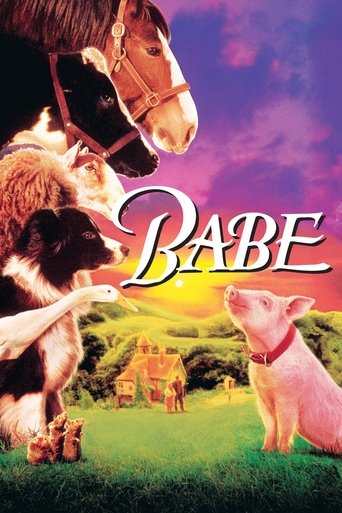 ★ 6.3
 ★ 7.0
 ★ 7.3
 ★ 6.8
 ★ 6.6
 ★ 6.8
 ★ 7.1
 ★ 6.8
 ★ 6.7
 ★ 6.2
 ★ 6.6
 ★ 5.9
Family and animationFamily and animation
See the shelf (13) ★ 6.2
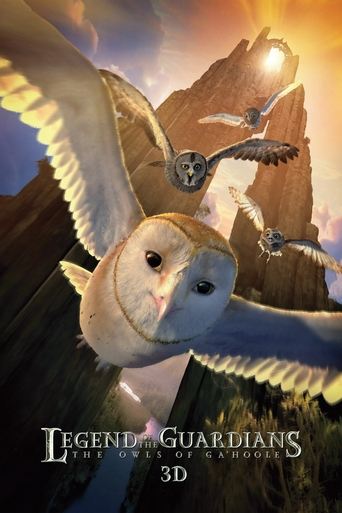 ★ 6.8
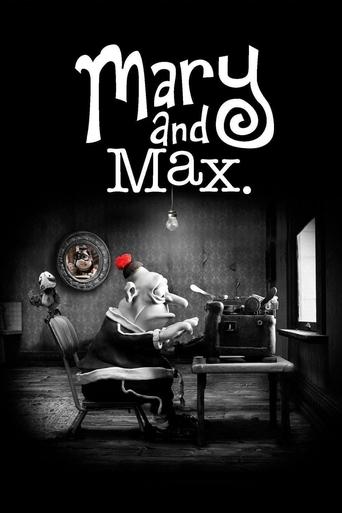 ★ 7.9
 ★ 6.7
 ★ 6.2
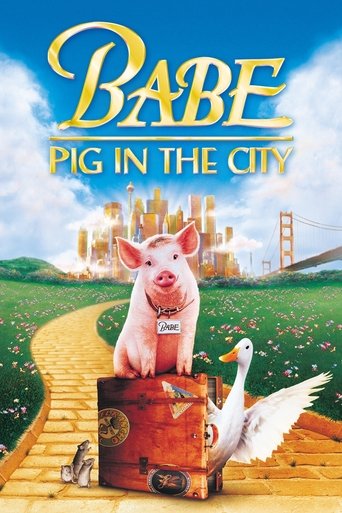 ★ 5.7
 ★ 7.0
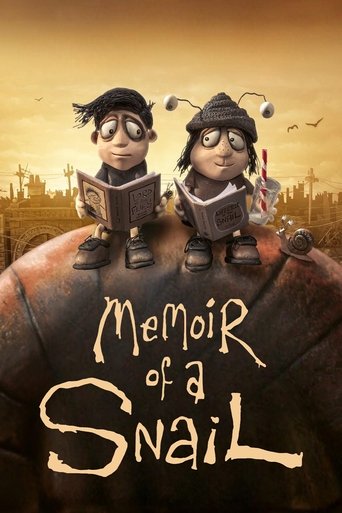 ★ 8.1
 ★ 6.4
 ★ 6.0
 ★ 5.4
 ★ 4.6
New Zealand comedy and splatterNew Zealand comedy and splatter
See the shelf (13)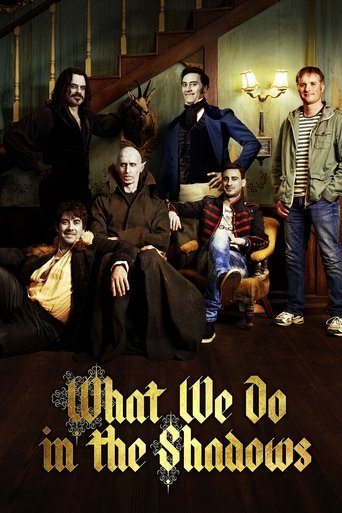 ★ 7.5
 ★ 7.6
 ★ 7.4
 ★ 6.3
 ★ 6.6
 ★ 5.8
 ★ 6.2
 ★ 7.3
 ★ 6.4
 ★ 6.3
 ★ 5.2
 ★ 7.2
New Zealand dramaNew Zealand drama
See the shelf (13)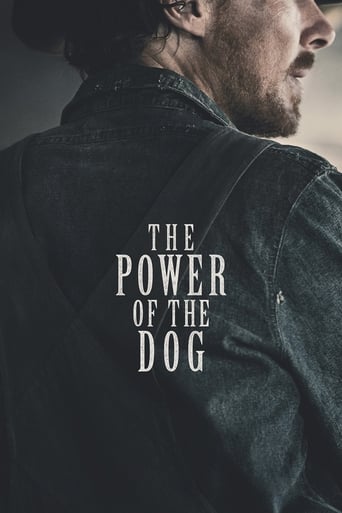 ★ 6.7
 ★ 7.4
 ★ 7.0
 ★ 7.4
 ★ 7.0
 ★ 7.0
 ★ 6.3
 ★ 6.9
 ★ 6.4
 ★ 5.8
 ★ 7.0
 ★ 6.3
Made in Middle-earthMade in Middle-earth
See the shelf (13)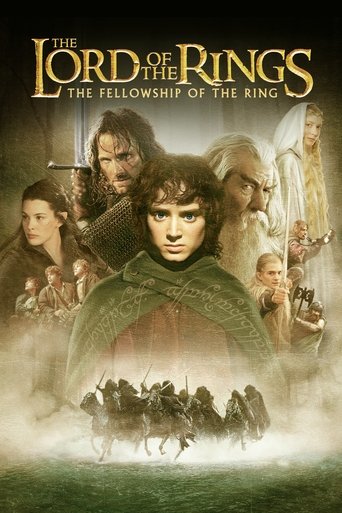 ★ 8.4
 ★ 8.5
 ★ 8.4
 ★ 7.4
 ★ 7.3
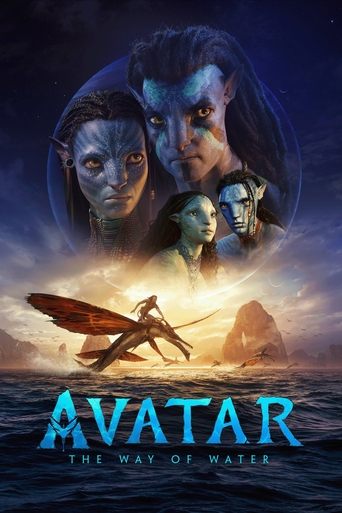 ★ 7.6
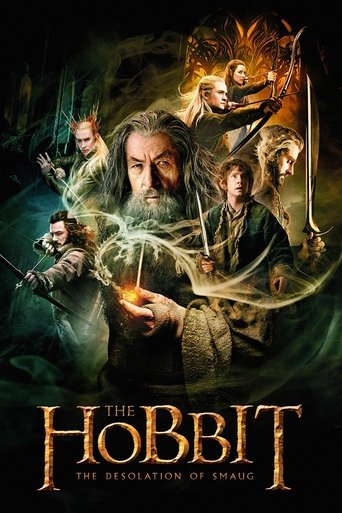 ★ 7.6
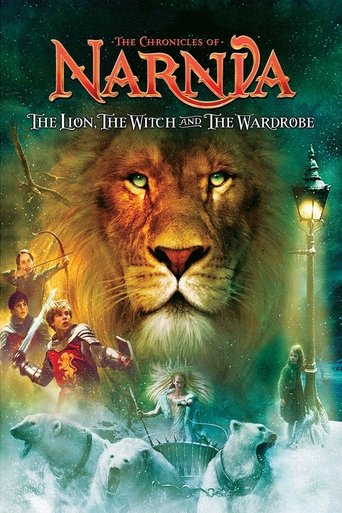 ★ 7.1
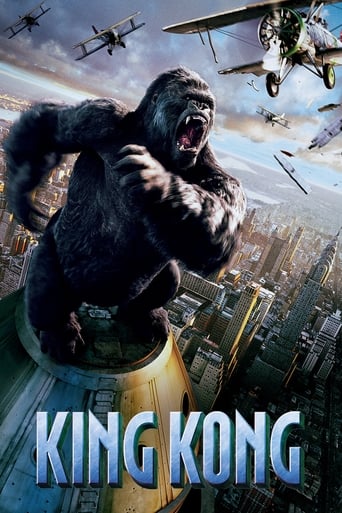 ★ 6.9
 ★ 7.6
 ★ 6.8
 ★ 7.1
Hollywood down underHollywood down under
See the shelf (13)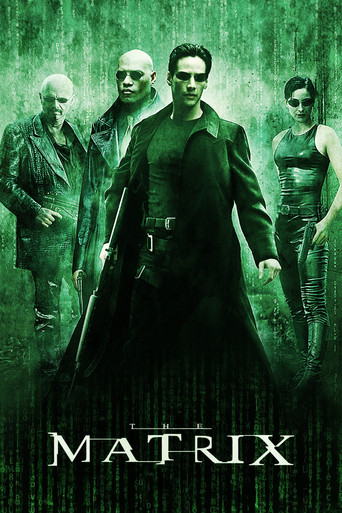 ★ 8.3
 ★ 7.6
 ★ 6.9
 ★ 6.6
 ★ 7.3
 ★ 6.1
 ★ 7.4
 ★ 6.3
 ★ 7.5
 ★ 6.9
 ★ 7.5
 ★ 7.0
The Tasmanit guide
Tasmanit: the films of both shores of the Tasman
Across the Tasman
Between Australia and New Zealand lies the Tasman Sea, about two thousand kilometres of grey water that the people of both countries cross as easily as a street. On each shore a small film industry has made a cinema of its own: in Australia, the films of a vast and empty land, of convict ghosts and outback heat, of suburban comedies and road warriors; in New Zealand, the films of green hills and Māori legends, of deadpan humour and of the splatter comedies that made Peter Jackson famous before he took the world to Middle-earth. The two cinemas share actors, crews and studios, and Hollywood has crossed the ocean too, to shoot its blockbusters on their beaches, deserts and sound stages.
Tasmanit reads its name as the Tasman, and this guide crosses it. It gathers 156 films made or shot in Australia and New Zealand, from Walkabout and Wake in Fright, both of 1971, to Bring Her Back, of 2025, and sorts them on twelve shelves, in three families, with an English synopsis, the cast and director of each film and a Watch now button that opens it on JustWatch, where you can see the services that offer it in your country. The guide Start with Tasmanit picks one film from each shelf, and the guide How the crossing works explains the selection.
The first family, Outback and coast, holds the Australian films of the land and the sea: the outback, the roads and wastelands of Mad Max, the coast and the sea, and the history and wars of the country. The second, Cities and the dark, holds the Australian films of the cities and of fear: crime and drama, horror, comedies and musicals, and family films. The third, Aotearoa and beyond, takes the Māori name of New Zealand: its comedy and splatter, its drama, the films made in Middle-earth and, on the last shelf, the Hollywood films shot down under. Together the films carry about 498,500 votes on TMDB, with an average rating of 6.70; the most voted is The Matrix, shot in Sydney in 1998, and the best rated is The Lord of the Rings: The Return of the King, of 2003, with an 8.5.
The name and the look
The Wayback Machine keeps many copies of tasmanit.com, from 2001 to 2025, but they belong to a different story: they show the site of Tasman IT Limited, a small web and hosting company of Auckland, with its blog of technical tips, its portfolio of websites for local businesses and its greeting in three languages. The later captures are parked pages, and the other endings of the name are empty. With only a web company in the archive, this guide has an original design, built from the colours of the two shores.
The page is the colour of sand. The header is the deep blue of the Tasman Sea, edged below by a line of outback ochre, and the logo draws two shores with a wave between them. The introduction sits on a white card topped by a band of three colours, ochre for the red centre of Australia, sea blue for the Tasman and fern green for New Zealand, and three colours of the land, ochre, red earth and fern green, divide the board of the home page, called Both shores, into its three families, four shelves each. Each shelf is a white panel with an ochre edge and a sea-blue See the shelf button, and each poster carries the year in an ochre badge, the rating in a blue one and the tag of its shelf in a sea-blue band at the bottom. The guide The look of Tasmanit explains each colour.
How the crossing works
Every film of the guide was made in Australia or New Zealand, by their own studios or with them, or was shot there by a foreign production: 103 of the 156 films have Australia as their first country of production on TMDB and 29 have New Zealand. The films were chosen by hand from TMDB, and each one sits on a single shelf; each shelf keeps its thirteen most voted films and lists them by votes, so that the best known come first. Three films of the Australian shelves list only foreign countries of production on TMDB but were shot on Australian ground, Walkabout, by the British director Nicolas Roeg, Nim's Island and The Light Between Oceans, and the shelf Made in Middle-earth includes the Hollywood films shot in New Zealand, from The Last Samurai to the second Avatar.
All 156 films are in English, although a few speak other languages too: the Yolŋu of Ten Canoes, told in the language of Arnhem Land, and the Māori of Utu and Whale Rider. The guide How the crossing works sums up the rules.
Outback and coast
The first family, Outback and coast, gathers 52 Australian films of the land and the sea, with about 86,000 votes and an average of 6.56. The Australian cinema was reborn in the 1970s, after decades in which almost every film shown in the country came from abroad, and its first great films were films of landscape: a schoolgirl picnic swallowed by a rock, a teacher trapped in a mining town, a dusty road that leads to the end of the world. The guide Outback and coast sums up the family, and the guide The new waves follows the rebirth of both cinemas in the 1970s.
The outback
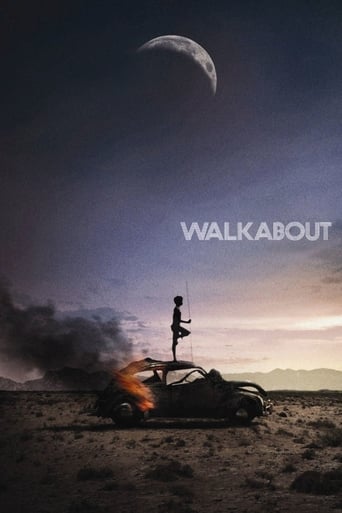
The shelf The outback holds thirteen films from 1971 to 2021. Its two oldest films came out the same year and set the tone for everything that followed. Wake in Fright, of 1971, by Ted Kotcheff, follows a young teacher stranded in a mining town of the outback, where a week of beer, gambling and kangaroo hunts strips him of everything, rated 7.2; Walkabout, of 1971, by the British director Nicolas Roeg, follows two children lost in the desert and the young Aboriginal man, played by David Gulpilil, who guides them, rated 7.3. Four years later Picnic at Hanging Rock, of 1975, by Peter Weir, made the land itself a mystery: on Valentine's Day of 1900, a group of schoolgirls climbs a volcanic rock and some of them vanish.
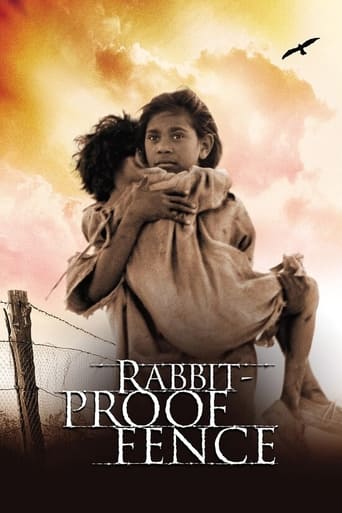
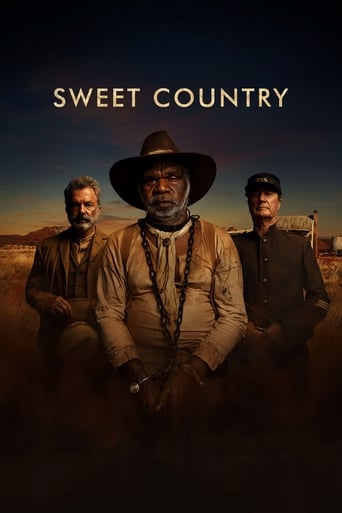
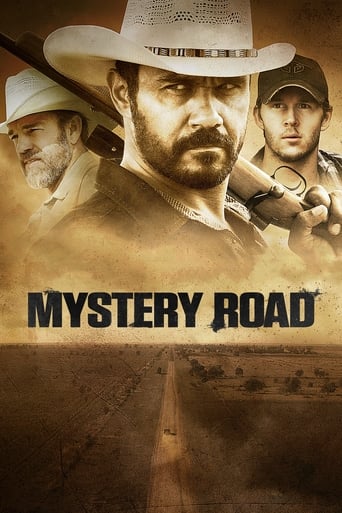
The most voted film of the shelf is Australia, of 2008, by Baz Luhrmann, with Nicole Kidman and Hugh Jackman driving cattle across the north during the Second World War, and its most famous hero is Crocodile Dundee, of 1986, with Paul Hogan as the bushman who visits New York, the most successful Australian film abroad of its time, followed by Crocodile Dundee II, of 1988. The Aboriginal stories of the shelf are told by their own artists or with them: Rabbit-Proof Fence, of 2002, by Phillip Noyce, three girls of the Stolen Generations who walk 2,400 kilometres home along a fence; Sweet Country, of 2018, by Warwick Thornton, a western of the 1920s in which an Aboriginal man kills a white settler in self-defence; Ten Canoes, of 2006, by Rolf de Heer and Peter Djigirr, a tale of the Yolŋu people told in their language, and Mystery Road, of 2013, by Ivan Sen, an Aboriginal detective in a town of Queensland. The guide First peoples on screen gathers the Aboriginal and Māori stories of both shores.
The westerns and mysteries of the bush complete it: The Proposition, of 2005, by John Hillcoat, written by Nick Cave, with Guy Pearce as an outlaw forced to hunt his older brother, rated 7.0; The Dry, of 2021, with Eric Bana as a federal agent who returns to his drought-stricken home town for a funeral, and Red Dog, of 2011, the true story of a kelpie who wandered the mining towns of Western Australia and became a legend, rated 7.3.
Roads and wastelands
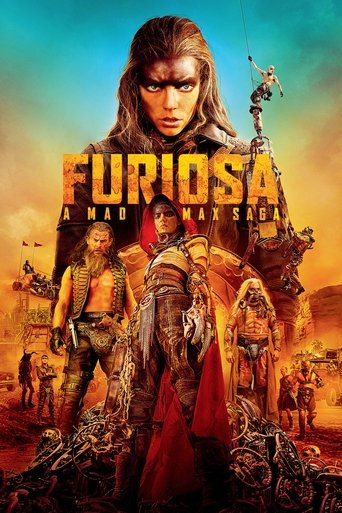
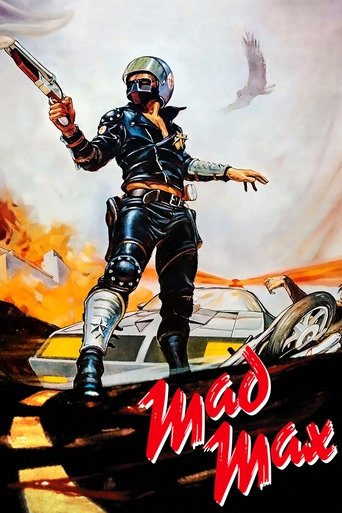
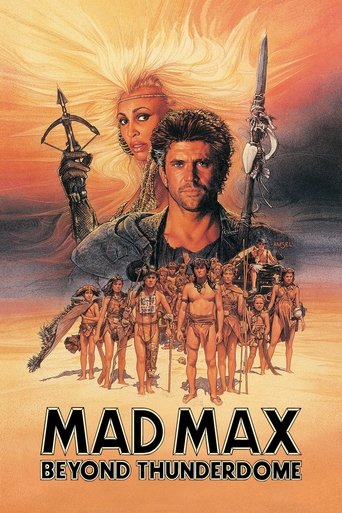
The shelf Roads and wastelands holds thirteen films from 1974 to 2024, and five of them belong to George Miller. Mad Max, of 1979, made on a tiny budget with the young Mel Gibson as a policeman of the highway who takes revenge on a motorcycle gang, became for decades the most profitable film ever made; Mad Max 2, of 1981, invented the desert of road warriors in leather and spikes that every later film of the apocalypse copied, rated 7.4, and Mad Max Beyond Thunderdome, of 1985, added Tina Turner and the arena of two men in, one man out. Thirty years later Mad Max: Fury Road, of 2015, with Tom Hardy and Charlize Theron as Imperator Furiosa, a single chase across the desert, won six Academy Awards and is the most voted film of the Australian shelves, rated 7.6, and Furiosa: A Mad Max Saga, of 2024, with Anya Taylor-Joy, told the youth of its heroine. The guide The Mad Max road follows the five films.
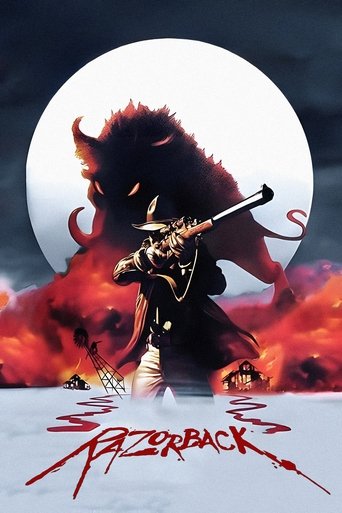
The Australian road is also a place of terror, a genre the critics called Ozploitation. The Cars That Ate Paris, of 1974, the first feature of Peter Weir, is a town that lives off car crashes; Long Weekend, of 1979, a couple whose camping trip is punished by nature; Roadgames, of 1981, a truck driver and Jamie Lee Curtis on the trail of a killer across the Nullarbor; Razorback, of 1984, a giant wild boar, and Wolf Creek, of 2005, and Wolf Creek 2, of 2013, by Greg McLean, with John Jarratt as Mick Taylor, the friendly bushman who murders backpackers. Hounds of Love, of 2016, set in Perth in 1987, and The Rover, of 2014, by David Michôd, with Guy Pearce and Robert Pattinson in a collapsed Australia ten years after an economic disaster, complete it.
The coast and the sea
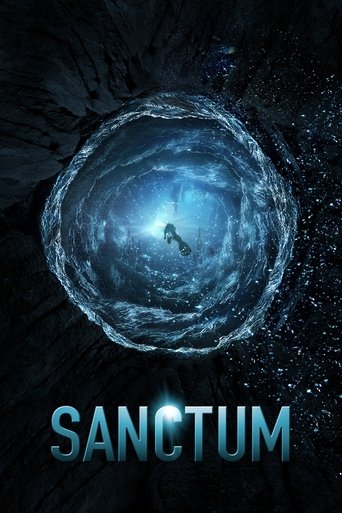
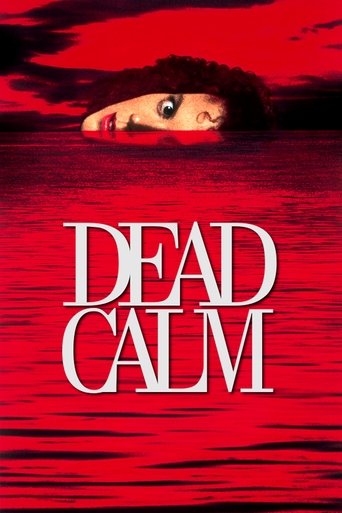
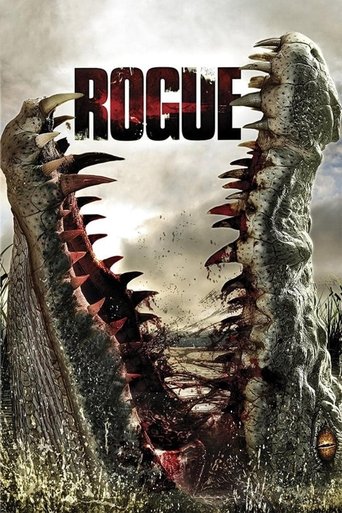
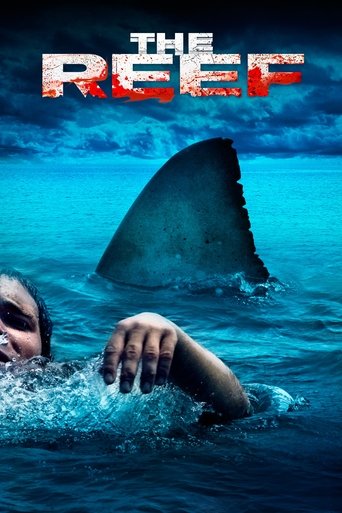
The shelf The coast and the sea holds thirteen films from 1977 to 2019 of the shores of Australia, where most Australians live. Its classic is Dead Calm, of 1989, by Phillip Noyce, with Nicole Kidman and Sam Neill as a couple whose yacht takes on a dangerous stranger in the middle of the Pacific. The sea monsters of the shelf are many: the saltwater crocodiles of Rogue, of 2007, by Greg McLean, and Black Water, of 2008, and the sharks of The Reef, of 2010, and Bait, of 2012, in which a tsunami floods a supermarket full of shoppers and sharks; Sanctum, of 2011, produced by James Cameron, traps a team of divers in a flooded cave system.
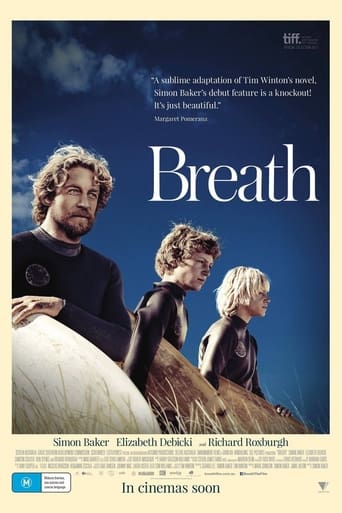
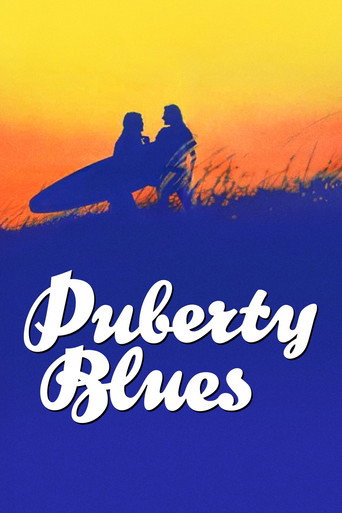
The gentler films of the coast are about growing up. Storm Boy, of 1977, a boy of the Coorong who raises an orphaned pelican, was remade in 2019 with Geoffrey Rush as the grown-up boy; Breath, of 2017, the first film directed by the actor Simon Baker, follows two teenage surfers of the 1970s from the novel of Tim Winton; Puberty Blues, of 1981, by Bruce Beresford, two girls of the surf beaches of Sydney, and Drift, of 2013, two brothers who start a surf business in the 1970s. The Light Between Oceans, of 2016, by Derek Cianfrance, with Michael Fassbender and Alicia Vikander as a lighthouse keeper and his wife, rated 7.1, the best rated film of the shelf with the Storm Boy of 2019, and Nim's Island, of 2008, with Abigail Breslin and Jodie Foster, are the two foreign productions of the shelf, shot on the coasts of Australia and, for the lighthouse, of New Zealand too.
History and war
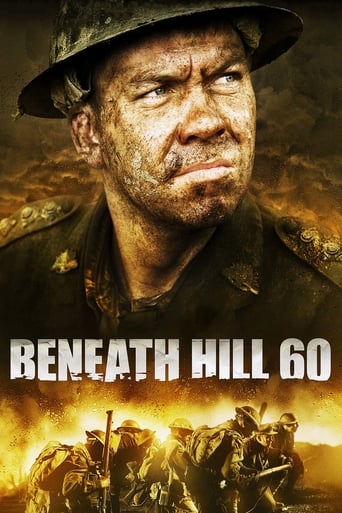
The shelf History and war holds thirteen films from 1979 to 2019, and its best rated film is the best rated of the Australian shelves: Hacksaw Ridge, of 2016, directed by Mel Gibson and shot in New South Wales, with Andrew Garfield as Desmond Doss, the American medic who refused to carry a gun and saved 75 men at Okinawa, rated 8.2. The First World War is the great subject of the shelf. Gallipoli, of 1981, by Peter Weir, with the young Mel Gibson and Mark Lee as two runners sent to the disaster of 1915, made the landing at Gallipoli the founding myth of a generation; The Water Diviner, of 2014, the first film directed by Russell Crowe, follows a father who searches Turkey for the graves of his three sons; Beneath Hill 60, of 2010, the Australian tunnellers of the Western Front, and The Lighthorsemen, of 1987, the charge of Beersheba in 1917.
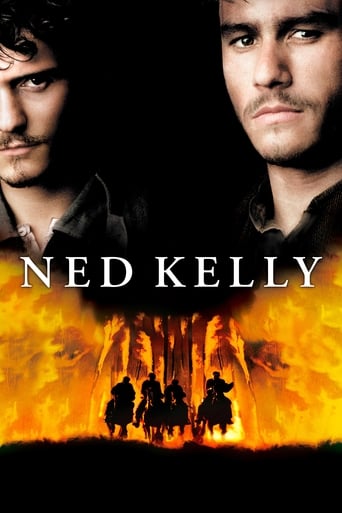
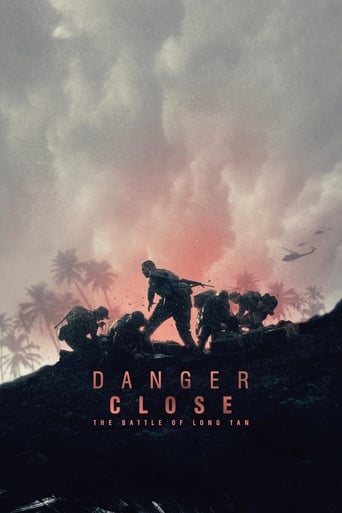
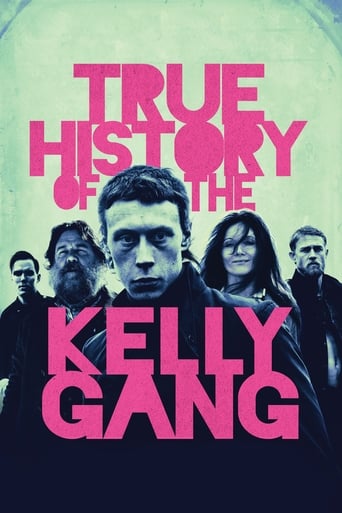
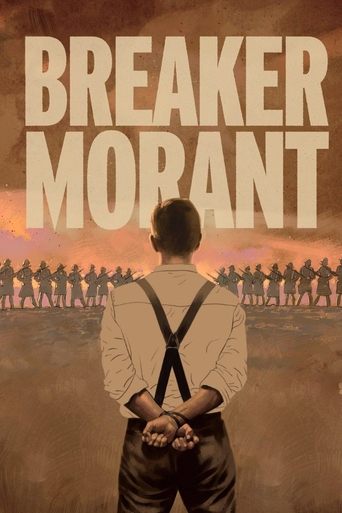
The other wars and histories complete it. Breaker Morant, of 1980, by Bruce Beresford, the court-martial of three Australian officers during the Boer War, rated 7.1; Danger Close: The Battle of Long Tan, of 2019, an Australian company in Vietnam in 1966; Ned Kelly, the bushranger in his iron armour, played by Heath Ledger in Ned Kelly, of 2003, and by George MacKay in True History of the Kelly Gang, of 2019; The Nightingale, of 2018, by Jennifer Kent, a young Irish convict who hunts the officer who destroyed her family in the Tasmania of 1825, and The Man from Snowy River, of 1982, the horsemen of the mountains from the poem of Banjo Paterson. The two films of Gillian Armstrong, My Brilliant Career, of 1979, with Judy Davis as a young woman of the bush who wants to be a writer, and Oscar and Lucinda, of 1997, with Ralph Fiennes and Cate Blanchett, close the shelf.
Cities and the dark
The second family, Cities and the dark, leaves the bush for the suburbs and the cities, where most Australians live, and for the dark rooms where the country tells its scariest stories. Its 52 films carry about 61,000 votes, with an average of 6.54, and they show the other face of Australian cinema: the crime families of Melbourne, the comedies of the suburbs and the drag queens of the desert, the haunted houses of Adelaide and the clay animation of Adam Elliot. The guide Cities and the dark sums up the family.
Crime and drama
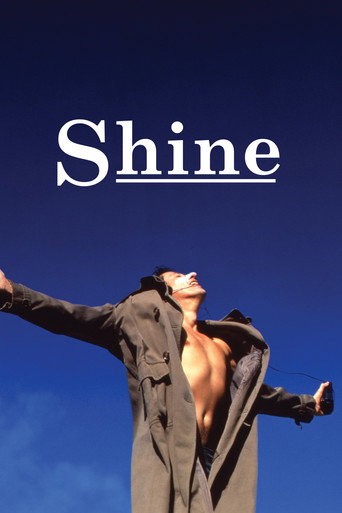
The shelf Crime and drama holds thirteen films from 1992 to 2016, and its most voted and best rated film is Lion, of 2016, by Garth Davis, with Dev Patel as Saroo Brierley, a boy lost on a train in India who is adopted by a family of Tasmania and, twenty-five years later, finds his village with Google Earth, rated 8.0, with Nicole Kidman as his adoptive mother. Its second film in rating is Shine, of 1996, by Scott Hicks, with Geoffrey Rush as the pianist David Helfgott, a role that won him the Academy Award for best actor, rated 7.4.
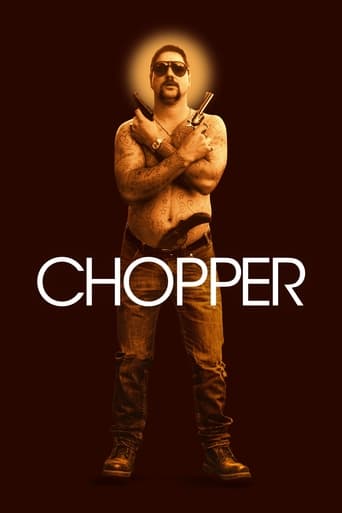
The crime of the shelf is a crime of families and gangs. Animal Kingdom, of 2010, the first feature of David Michôd, follows a teenager taken in by his grandmother and his uncles, a family of armed robbers of Melbourne, with Ben Mendelsohn, Joel Edgerton and Guy Pearce; Chopper, of 2000, by Andrew Dominik, made Eric Bana a star as Mark Read, the most famous criminal of Melbourne; Romper Stomper, of 1992, by Geoffrey Wright, follows the young Russell Crowe as the leader of a gang of skinheads, and Snowtown, of 2011, by Justin Kurzel, tells the murders of South Australia of the 1990s. Two Hands, of 1999, by Gregor Jordan, is a gangster comedy of the Sydney of Kings Cross, with the young Heath Ledger and Bryan Brown.
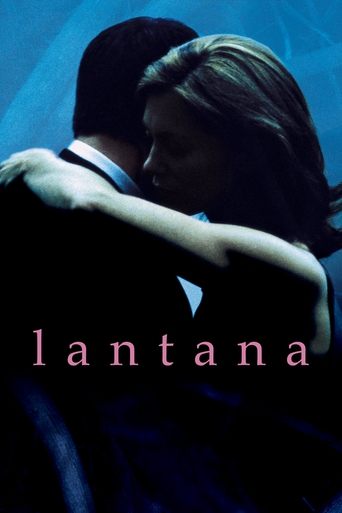
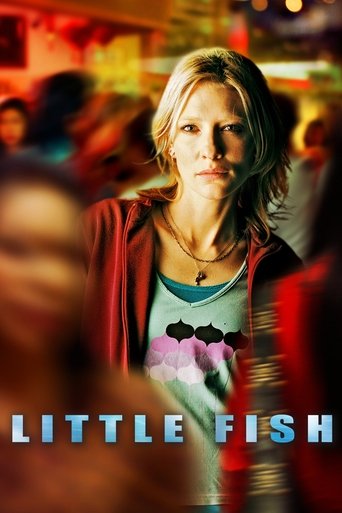
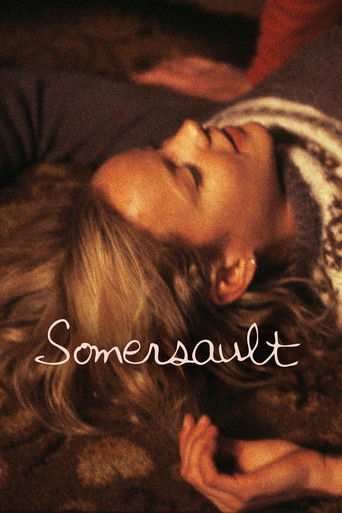
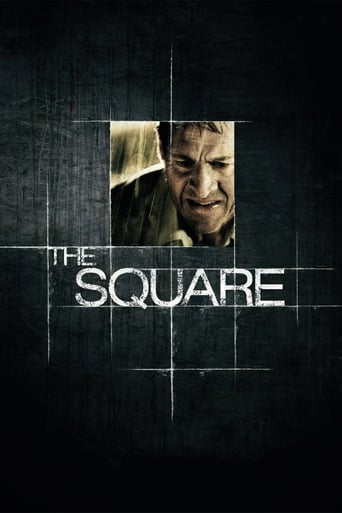
The dramas of the shelf are quieter and often darker. Candy, of 2006, with Heath Ledger and Abbie Cornish as a young couple of poets lost to heroin; Little Fish, of 2005, with Cate Blanchett as a former addict of Cabramatta who wants to start a business; Lantana, of 2001, by Ray Lawrence, with Anthony LaPaglia as a detective of Sydney whose case reaches into several marriages; Somersault, of 2004, the first feature of Cate Shortland, with Abbie Cornish as a runaway girl in the snow town of Jindabyne; The Square, of 2008, the first feature of the stuntman Nash Edgerton, an affair that ends in arson and blackmail, and Look Both Ways, of 2005, by Sarah Watt, a weekend of heat and grief in Adelaide, told partly in animation.
Australian horror
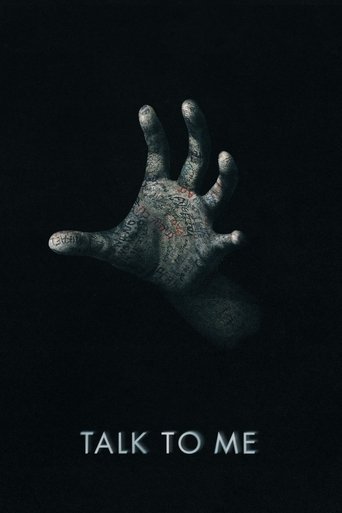
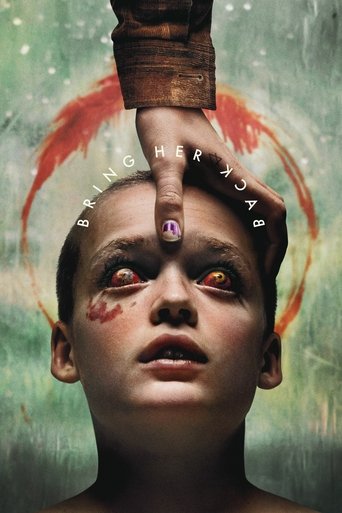
The shelf Australian horror holds thirteen films from 2003 to 2025, the films of a new wave of fear that began at the turn of the century and made Australia one of the great horror cinemas of the world. Its most voted film is The Babadook, of 2014, the first feature of Jennifer Kent, with Essie Davis as a widow whose son is haunted by a creature from a children's book, a film of grief that became a cult across the world, with about 6,600 votes. Its best rated films come from two brothers of Adelaide, Danny and Michael Philippou, who started on YouTube: Talk to Me, of 2023, in which teenagers grab an embalmed hand to talk to the dead, rated 7.1, and Bring Her Back, of 2025, with Sally Hawkins as a foster mother with a terrible plan, rated 7.3, the best rated film and the newest of the shelf.
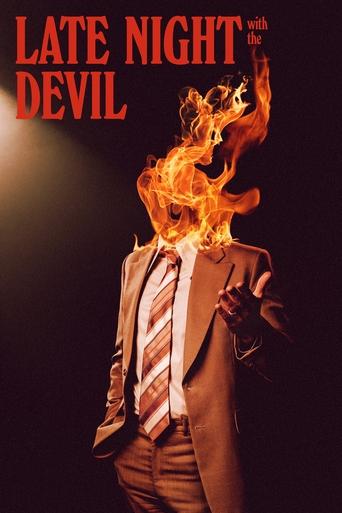
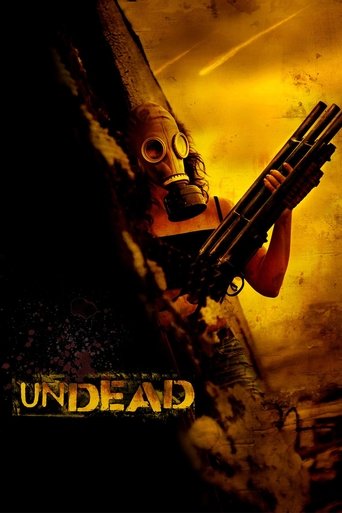
The twin brothers Michael and Peter Spierig appear twice on this shelf, with Undead, of 2003, their first film, a zombie comedy of a fishing town of Queensland and the oldest of the shelf, and Daybreakers, of 2010, with Ethan Hawke and Sam Neill in a world of 2019 in which vampires have replaced humans; their Predestination, of 2014, sits on the shelf Hollywood down under. Late Night with the Devil, of 2024, by Colin and Cameron Cairnes, with David Dastmalchian as the host of a talk show of the 1970s who invites a possessed girl on Halloween night, rated 7.1, is the third film of the shelf above 7. The guide The new Australian horror follows the wave from Undead to Bring Her Back.
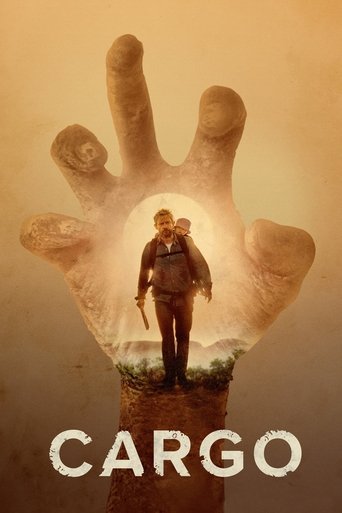
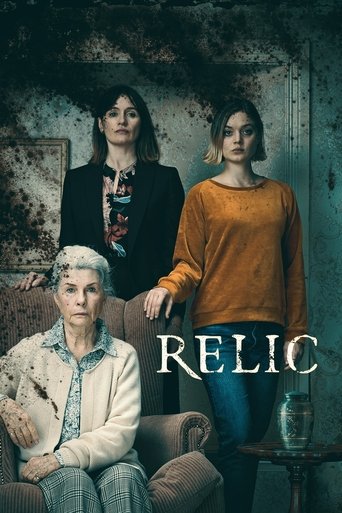
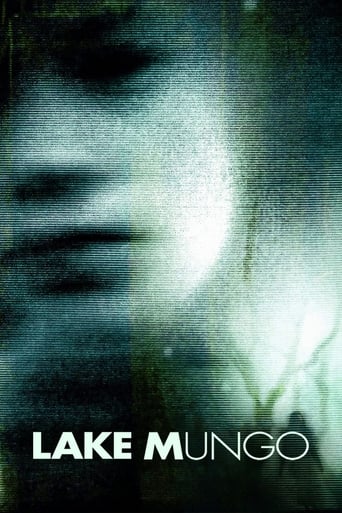
The rest of the shelf mixes zombies, ghosts and very human monsters. Cargo, of 2017, with Martin Freeman as a father who has 48 hours to find a home for his baby in a zombie outback; The Loved Ones, of 2010, a school dance that turns into a night of torture; Relic, of 2020, three generations of women in a house that rots like the memory of the grandmother; Lake Mungo, of 2009, a false documentary about a drowned girl whose ghost seems to appear in photographs; The Tunnel, of 2011, a found-footage film in the tunnels under Sydney; Killing Ground, of 2017, a camping trip that crosses two killers, and Sissy, of 2022, an influencer of wellness invited to the hen weekend of her childhood friend.
Comedies and musicals
The shelf Comedies and musicals holds thirteen films from 1986 to 2019, the great Australian comedies of the 1990s and their heirs. Its most voted film is Babe, of 1995, by Chris Noonan, written and produced by George Miller, the story of a piglet raised by a sheepdog who learns to herd sheep, with about 3,200 votes. Its best rated is The Adventures of Priscilla, Queen of the Desert, of 1994, by Stephan Elliott, with Hugo Weaving, Guy Pearce and Terence Stamp as three drag performers who cross the outback in a lavender bus, rated 7.3, followed by The Castle, of 1997, by Rob Sitch, the Kerrigan family of Melbourne who fight the airport that wants to buy their home, rated 7.1.
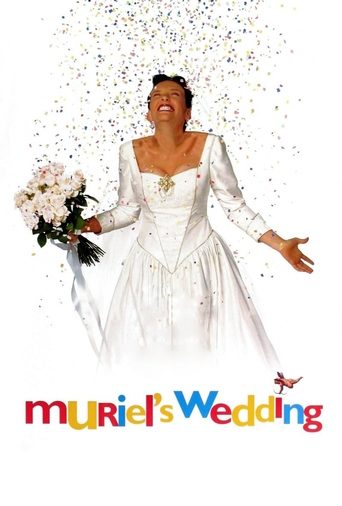
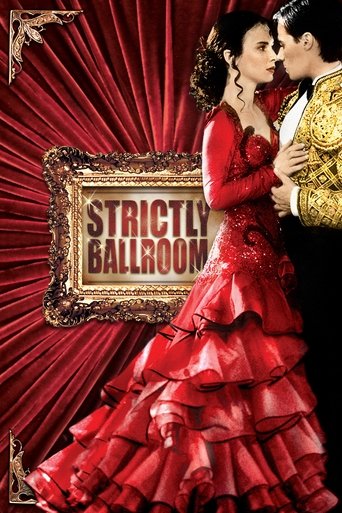
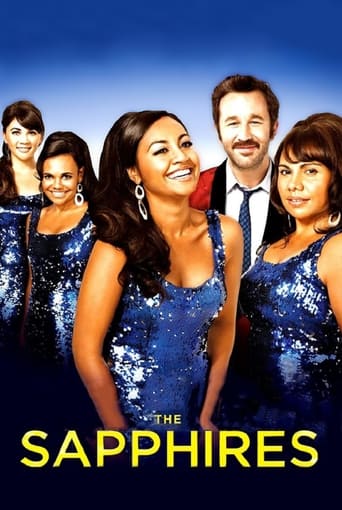
The year 1994 gave the shelf two of its classics, Priscilla and Muriel's Wedding, by P.J. Hogan, with Toni Collette as a young woman of a small coastal town who dreams of a wedding to the songs of ABBA. Two years earlier, Strictly Ballroom, of 1992, the first film of Baz Luhrmann, had told the story of a dancer who wants to dance his own steps, and two later musicals bring music to the shelf: The Sapphires, of 2012, by Wayne Blair, four young Aboriginal women who sing soul for the American troops in Vietnam in 1968, with Chris O'Dowd, and Top End Wedding, of 2019, by the same director, a race across the Northern Territory before a wedding.
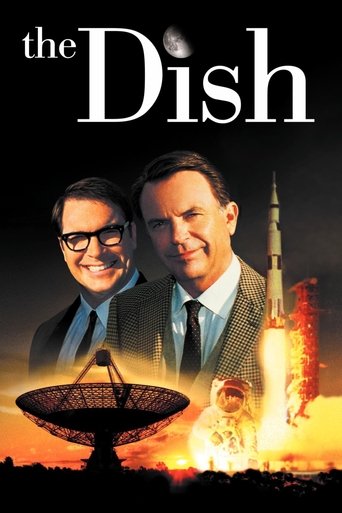
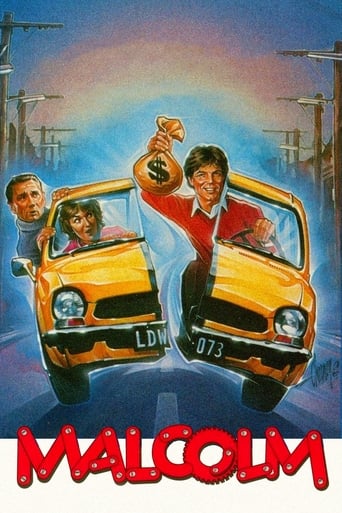
The quieter comedies close it: The Dish, of 2000, by Rob Sitch, the radio telescope of Parkes in a sheep paddock of New South Wales that relayed the pictures of the Moon landing of 1969, with Sam Neill; The Dressmaker, of 2015, by Jocelyn Moorhouse, with Kate Winslet as a dressmaker who returns to her small town of the 1950s for revenge; Ladies in Black, of 2018, by Bruce Beresford, the shop girls of a department store of Sydney in 1959; Kenny, of 2006, a false documentary about a plumber of portable toilets; Malcolm, of 1986, by Nadia Tass, the oldest film of the shelf, a shy inventor of tram gadgets who becomes a getaway driver, and Death in Brunswick, of 1991, with Sam Neill as a cook in a nightclub of Melbourne.
Family and animation
The shelf Family and animation holds thirteen films from 1977 to 2024, and George Miller is again its great name. Happy Feet, of 2006, his animated film of an emperor penguin who tap dances while the others sing, the most voted of the shelf, won the Academy Award for best animated feature, and Happy Feet Two, of 2011, and Babe: Pig in the City, of 1998, follow it here. The best rated films of the shelf, and two of the best rated of the whole guide, belong to Adam Elliot, the clay animator of Melbourne: Memoir of a Snail, of 2024, the life of a girl who collects snails, separated from her twin brother, rated 8.1, and Mary and Max, of 2009, the friendship by letter of a lonely girl of Melbourne and a man of New York, with the voices of Toni Collette and Philip Seymour Hoffman, rated 7.9.
The studios of Sydney made several of the other films. Legend of the Guardians: The Owls of Ga'Hoole, of 2010, by Zack Snyder, a war of owls, and the two Peter Rabbit films, Peter Rabbit, of 2018, and Peter Rabbit 2: The Runaway, of 2021, by Will Gluck, with James Corden as the rabbit and Rose Byrne and Domhnall Gleeson as the humans, were animated in Australia. FernGully: The Last Rainforest, of 1992, an animated fable of a fairy of the rainforest and the loggers who threaten it, with Robin Williams as a bat; Paper Planes, of 2014, a boy of Western Australia who dreams of the world championship of paper planes, and Blinky Bill the Movie, of 2015, the koala of the children's books, complete it, together with Paws, of 1997, with Billy Connolly as the voice of a talking dog, and Dot and the Kangaroo, of 1977, by Yoram Gross, the oldest film of the shelf, a lost girl who travels through the bush in the pouch of a kangaroo.
Aotearoa and beyond
The third family, Aotearoa and beyond, crosses the Tasman to New Zealand, the country that the Māori call Aotearoa, the land of the long white cloud. Its 52 films carry about 351,500 votes, seven in ten of all the votes of the guide, and its average of 6.99 is the highest of the three families, thanks to the six films that Peter Jackson made of the books of Tolkien. Its four shelves go from the homemade splatter comedies of the 1980s to the blockbusters that Hollywood shot in New Zealand and Australia, and the guide Aotearoa and beyond sums up the family.
New Zealand comedy and splatter
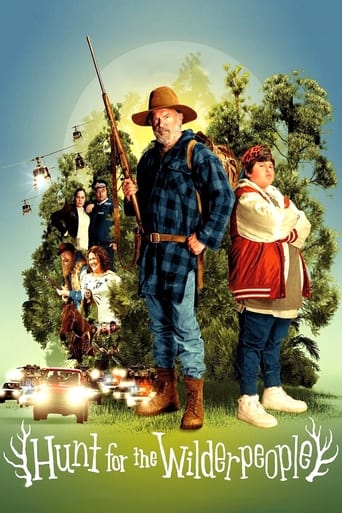
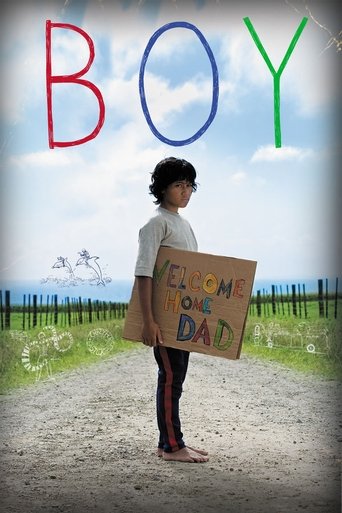
The shelf New Zealand comedy and splatter holds thirteen films from 1981 to 2018, and the deadpan humour of New Zealand runs through all of them. Its most voted film is What We Do in the Shadows, of 2014, by Jemaine Clement and Taika Waititi, a false documentary about four vampires who share a flat in Wellington and argue about the washing-up, with about 4,100 votes, and its best rated is Hunt for the Wilderpeople, of 2016, by Taika Waititi, with Sam Neill as a grumpy uncle and Julian Dennison as a city boy who flee into the bush and become the most wanted men of the country, rated 7.6. Waititi has four films on the shelf, with Boy, of 2010, a boy of the East Coast in 1984 who waits for the return of his father, played by Waititi himself, rated 7.3, and Eagle vs Shark, of 2007, a romance between two awkward misfits. The guide The humour of New Zealand follows its deadpan.
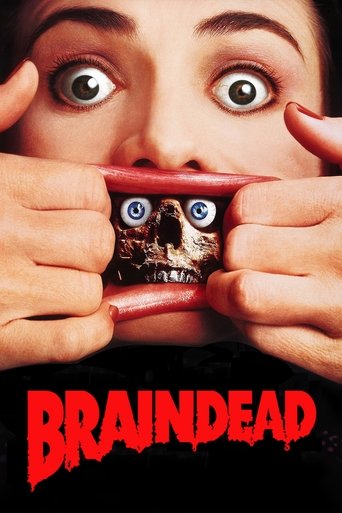
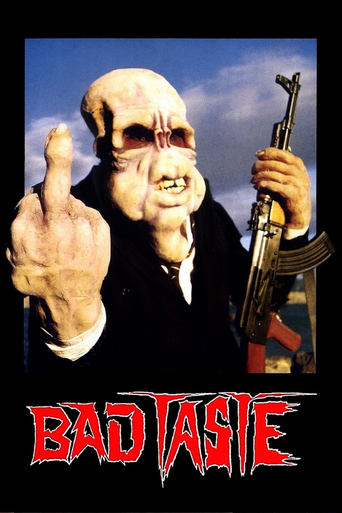
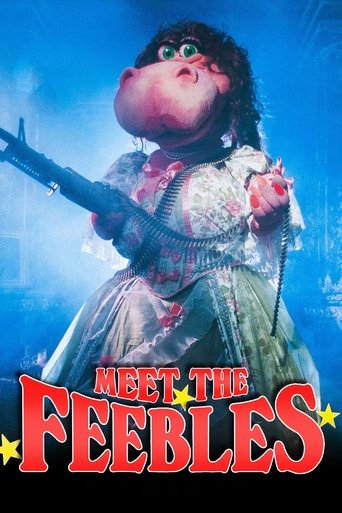
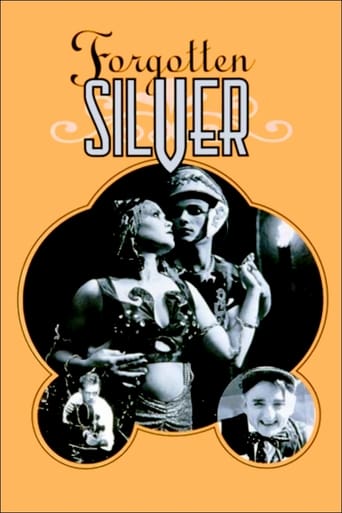
The splatter belongs to the young Peter Jackson. Bad Taste, of 1987, his first feature, was shot on weekends over four years with his friends, and tells of aliens who come to a small town to harvest humans for a fast-food chain; Meet the Feebles, of 1989, is a backstage musical with puppets, and Braindead, of 1992, a zombie comedy of the Wellington of 1957 that ends with a lawnmower, rated 7.4, is often called one of the goriest films ever made. Jackson has four films on the shelf, with Forgotten Silver, of 1997, made with Costa Botes, a false documentary about a forgotten pioneer of New Zealand cinema that fooled many viewers when it was first broadcast, at 53 minutes the shortest film of the guide.
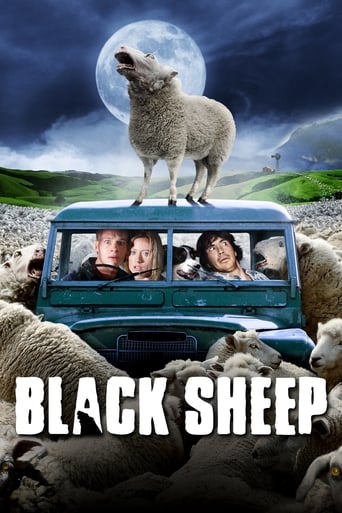
The heirs of the splatter close the shelf: Black Sheep, of 2006, in which a genetic experiment turns the sheep of a farm into killers; Housebound, of 2014, a young woman sentenced to house arrest in a home that seems haunted; Deathgasm, of 2015, two teenage fans of heavy metal who summon a demon with a song, and The Breaker Upperers, of 2018, two women who end relationships for money. The oldest film of the shelf, Goodbye Pork Pie, of 1981, by Geoff Murphy, a road movie in a small yellow Mini from the top of the North Island to the bottom of the South, was the first great success of New Zealand cinema at home.
New Zealand drama
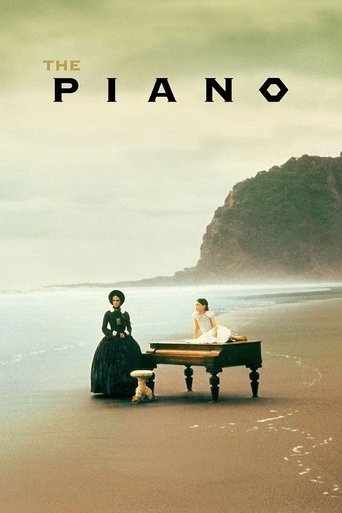
The shelf New Zealand drama holds thirteen films from 1978 to 2021, and three of them belong to Jane Campion, a director born in Wellington. The Piano, of 1993, with Holly Hunter as a mute Scottish woman who arrives on a wild beach of New Zealand in the 1850s with her daughter and her piano, won the Palme d'Or at Cannes and three Academy Awards, for Hunter, for the young Anna Paquin and for the screenplay of Campion; An Angel at My Table, of 1990, the life of the writer Janet Frame, is at 158 minutes the longest film of the shelf, and The Power of the Dog, of 2021, set in Montana but shot in the hills of Otago, with Benedict Cumberbatch as a cruel rancher, won Campion the Academy Award for best director and is the most voted film of the shelf.
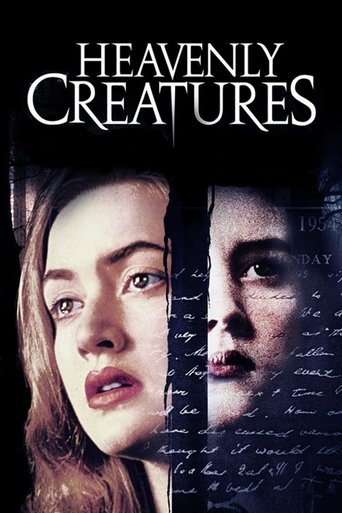
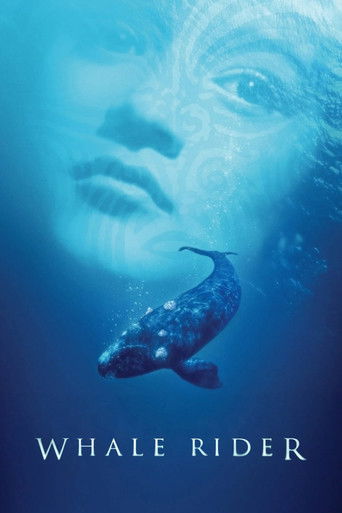
The best rated film of the shelf is Once Were Warriors, of 1994, by Lee Tamahori, with Rena Owen and Temuera Morrison as a Māori couple of South Auckland torn apart by the violence of the husband, rated 7.4, and Tamahori returns with Mahana, of 2016, a story of two rival Māori families of sheep shearers in the 1960s, again with Morrison. Whale Rider, of 2003, by Niki Caro, follows a Māori girl who claims her place as the heir of a line of chiefs, with Keisha Castle-Hughes, and Heavenly Creatures, of 1994, by Peter Jackson, with Melanie Lynskey and the young Kate Winslet, tells the true story of two schoolgirls of Christchurch whose friendship ended in a murder in 1954.
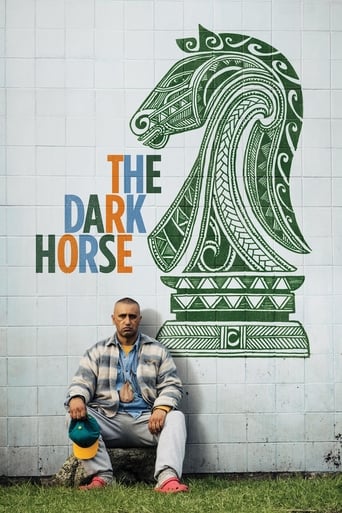
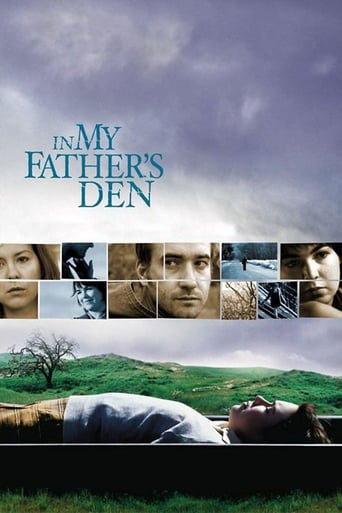
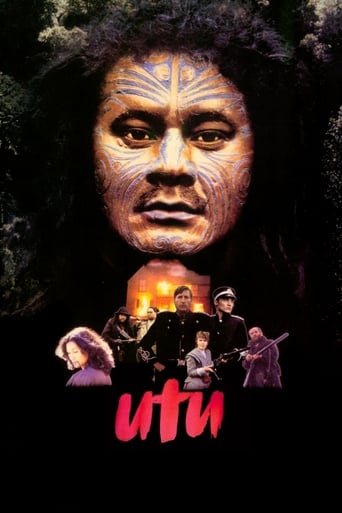
The rest of the shelf follows the history of New Zealand cinema. Sleeping Dogs, of 1978, by Roger Donaldson, the oldest film of the shelf, gave Sam Neill his first lead role as a man caught in a civil war of the future; Smash Palace, of 1981, by the same director, follows a car wrecker whose marriage falls apart; Utu, of 1983, by Geoff Murphy, a Māori soldier who takes revenge on the colonial army in the wars of the 1870s; In My Father's Den, of 2004, a war photographer who returns to his home town; Out of the Blue, of 2006, the massacre of Aramoana in 1990, and The Dark Horse, of 2014, with Cliff Curtis as Genesis Potini, a chess champion who teaches the game to the children of Gisborne.
Made in Middle-earth
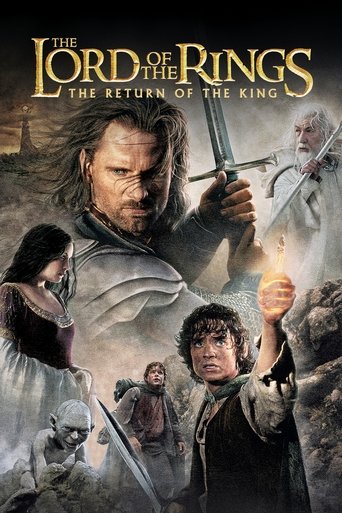
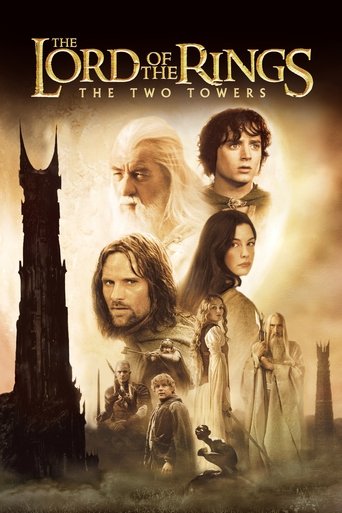
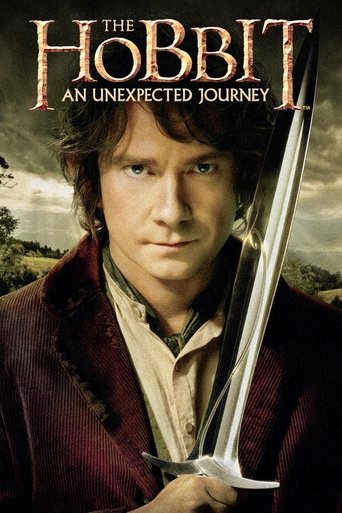
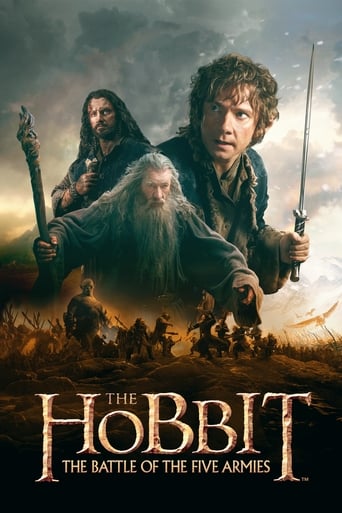
The shelf Made in Middle-earth holds thirteen films from 1996 to 2022, and it is the heart of the guide, with about 189,000 votes, more than a third of all the votes, and the best average of the twelve shelves, 7.52. Nine of its films belong to Peter Jackson, and six of them are the films of Tolkien, shot across the mountains, lakes and farms of New Zealand: The Lord of the Rings: The Fellowship of the Ring, of 2001, the most voted of the shelf, rated 8.4; The Lord of the Rings: The Two Towers, of 2002, rated 8.4, and The Lord of the Rings: The Return of the King, of 2003, the best rated film of the guide, rated 8.5, which won all eleven Academy Awards it was nominated for and is, at 201 minutes, the longest film of the guide. The three Hobbit films followed, The Hobbit: An Unexpected Journey, of 2012, The Hobbit: The Desolation of Smaug, of 2013, and The Hobbit: The Battle of the Five Armies, of 2014. The guide The road to Middle-earth follows the six films.
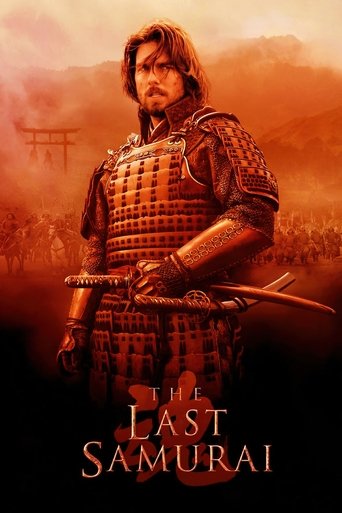
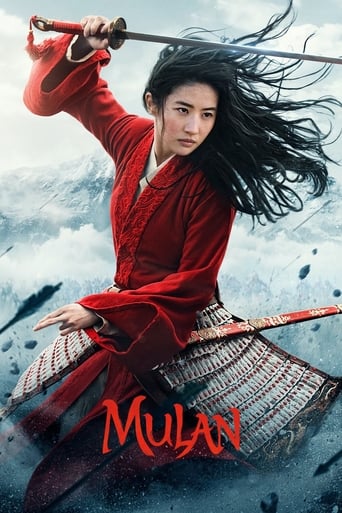
The other films of Jackson on the shelf are The Frighteners, of 1996, the oldest, with Michael J. Fox as a con man who talks to ghosts; King Kong, of 2005, his remake of the film of 1933, with Naomi Watts and Andy Serkis as the ape, and The Lovely Bones, of 2009, with Saoirse Ronan as a murdered girl who watches her family from the world beyond. The studios and the landscapes he built drew Hollywood after him: The Last Samurai, of 2003, with Tom Cruise, shot its Japan in the Taranaki, around the volcano of Mount Taranaki, rated 7.6; The Chronicles of Narnia: The Lion, the Witch and the Wardrobe, of 2005, was directed by the New Zealander Andrew Adamson; the live-action Mulan, of 2020, by Niki Caro, rode across the South Island, and Avatar: The Way of Water, of 2022, by James Cameron, was made with the effects studio of Wellington, rated 7.6.
Hollywood down under
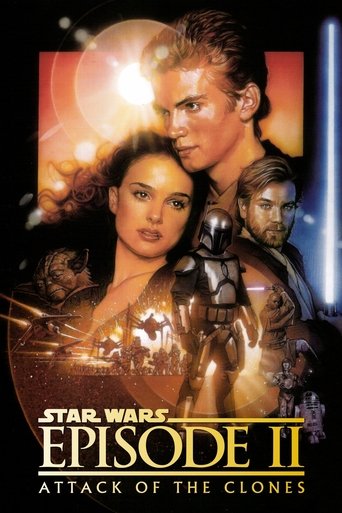
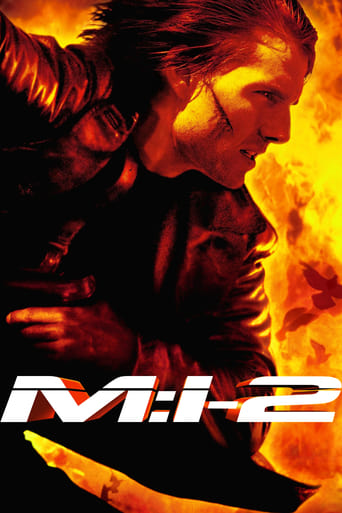
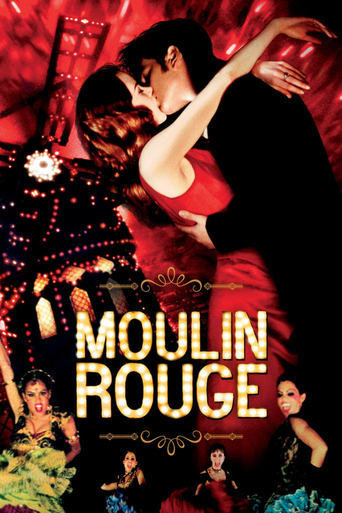
The shelf Hollywood down under holds thirteen films from 1999 to 2024 shot in the studios and cities of Australia. Its most voted and best rated film is also the most voted of the whole guide: The Matrix, of 1999, by Lana and Lilly Wachowski, with Keanu Reeves as Neo, shot in the streets and studios of Sydney, with about 29,000 votes, rated 8.3. Sydney also gave its stages to Star Wars: Episode II - Attack of the Clones, of 2002, to Mission: Impossible II, of 2000, with Tom Cruise, to Superman Returns, of 2006, and to the two films of Baz Luhrmann on the shelf, Moulin Rouge!, of 2001, with Nicole Kidman and Ewan McGregor, rated 7.5, and The Great Gatsby, of 2013, with Leonardo DiCaprio.
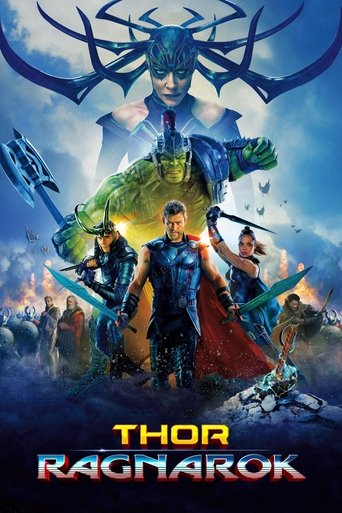
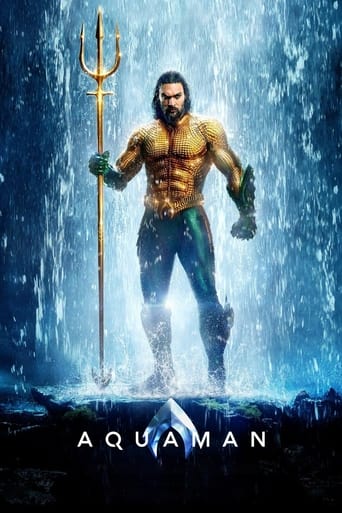
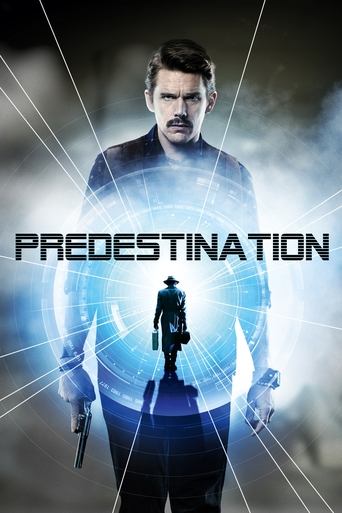
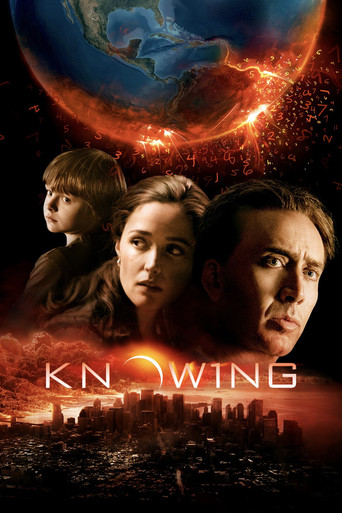
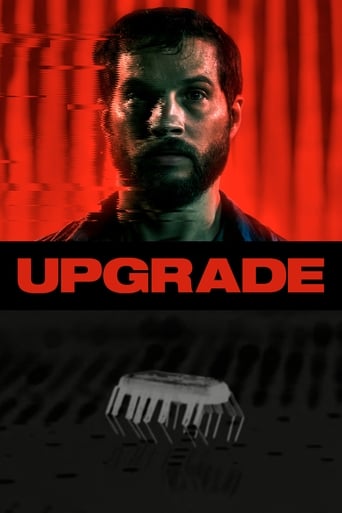
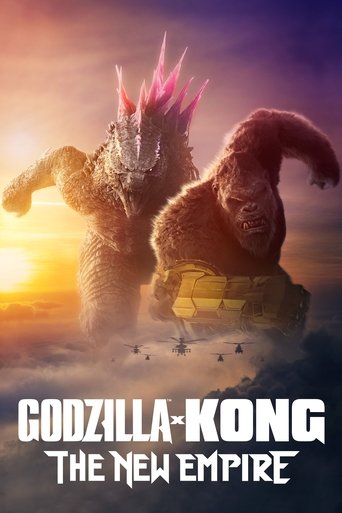
The studios of the Gold Coast of Queensland made Thor: Ragnarok, of 2017, by the New Zealander Taika Waititi, his fifth film of the guide, the second most voted of the shelf, rated 7.6; Aquaman, of 2018, by the Australian James Wan, with Jason Momoa, and Godzilla x Kong: The New Empire, of 2024, the newest film of the shelf. Melbourne gave its streets to three films of science fiction: Knowing, of 2009, by Alex Proyas, with Nicolas Cage; Predestination, of 2014, by the Spierig brothers, with Ethan Hawke and Sarah Snook in a loop of time travel, rated 7.4, and Upgrade, of 2018, by Leigh Whannell, a man paralysed after an attack who receives a chip that controls his body, rated 7.5. The desert of Pitch Black, of 2000, with Vin Diesel as Riddick, was the opal-mining country of Coober Pedy in South Australia.
The new waves
Both cinemas of the guide were born, or reborn, in the 1970s. In Australia, the government created a film fund and a film school around 1970, and within a few years a generation of young directors, Peter Weir, Bruce Beresford, Gillian Armstrong, Phillip Noyce and George Miller, made the films that the world still remembers: Picnic at Hanging Rock, Breaker Morant, My Brilliant Career, Gallipoli and Mad Max. In New Zealand, the Film Commission was founded in 1978, the year of Sleeping Dogs, and the films of Roger Donaldson and Geoff Murphy, Smash Palace, Goodbye Pork Pie and Utu, showed the country its own face on the screen for the first time. The guide The new waves tells both stories, and the collection Before 1990 gathers the 28 films of the guide made before 1990, from Walkabout and Wake in Fright, of 1971, to Dead Calm and Meet the Feebles, of 1989, in order of release.
The 1990s brought a second wave of comedies and dramas, from Strictly Ballroom and Muriel's Wedding to The Piano, Once Were Warriors and Heavenly Creatures, and the 2000s brought the studios: the stages of Sydney and the Gold Coast, where Hollywood made The Matrix and Star Wars, and the studios of Wellington, where Peter Jackson made the films of Tolkien. The collection The 2000s gathers the 40 films of the guide released from 2000 to 2009, from Pitch Black and Chopper to The Lovely Bones and Mary and Max, in order of release. The 2010s, with 54 films, are the richest decade of the guide, the decade of the new horror of Australia and of the comedies of Taika Waititi.
The directors of both shores
Peter Jackson is the great name of the guide, with fourteen films on three shelves: the three splatter comedies of his youth, Bad Taste, Meet the Feebles and Braindead, and the false documentary Forgotten Silver; the drama of Heavenly Creatures; and the nine films of Made in Middle-earth, from The Frighteners to the three Hobbit films. George Miller follows with eight films on two shelves, the five films of Mad Max and the three family films of Babe: Pig in the City and the two Happy Feet, and he also wrote and produced Babe. Taika Waititi has five, the four comedies of New Zealand and Thor: Ragnarok, and Baz Luhrmann four, from Strictly Ballroom to Australia and The Great Gatsby.
Three directors have three films each: Peter Weir, with The Cars That Ate Paris, Picnic at Hanging Rock and Gallipoli; Bruce Beresford, with Breaker Morant, Puberty Blues and Ladies in Black; and Jane Campion, with An Angel at My Table, The Piano and The Power of the Dog, and so do the Spierig brothers and Greg McLean, the director of the two Wolf Creek films and Rogue. Niki Caro, David Michôd, Jennifer Kent, Gregor Jordan, Kriv Stenders and Justin Kurzel have two each. The guide The directors lists them all.
The stars of both shores
Sam Neill, born in Northern Ireland and raised in New Zealand, is the actor who appears most often in the guide, in fifteen films on both shores: the New Zealand of Sleeping Dogs, The Piano, Forgotten Silver and Hunt for the Wilderpeople, and the Australia of My Brilliant Career, Dead Calm, Death in Brunswick, The Dish, Little Fish, Daybreakers and Sweet Country, with voices and small roles in Legend of the Guardians, the two Peter Rabbit films and Thor: Ragnarok. Hugo Weaving follows with fourteen films, from Agent Smith in The Matrix and Elrond in four of the films of Middle-earth to the drag queen of Priscilla, the sheepdog of Babe and the detective of Mystery Road.
David Gulpilil, the great Aboriginal actor of the Yolŋu, appears in eight films, from his first role as a boy in Walkabout, of 1971, to Storm Boy, Crocodile Dundee, Rabbit-Proof Fence, The Proposition, Ten Canoes, Australia and Cargo. Geoffrey Rush appears in seven, from Shine to Lantana and Candy, and Nicole Kidman in six, from Dead Calm to Moulin Rouge!, Australia and Lion. Ian McKellen plays Gandalf in the six films of Tolkien, and Sam Worthington, Jack Thompson, Bryan Brown and Richard Roxburgh complete the list of the faces most often seen. The guide The stars lists the actors who appear most often.
Tasmanit in figures
The 156 films of the guide carry about 498,500 votes on TMDB, with an average rating of 6.70; seven of them reach 8, the three films of The Lord of the Rings, The Matrix, Hacksaw Ridge, Memoir of a Snail and Lion, and the collection Rated 7.5 or more gathers the 17 films rated 7.5 or more, best first. By decade, the guide holds ten films of the 1970s, eighteen of the 1980s, 21 of the 1990s, 40 of the 2000s, 54 of the 2010s and thirteen of the 2020s, and the busiest year is 2014, with nine films, from The Babadook and What We Do in the Shadows to The Water Diviner and The Rover.
Together the films last 17,166 minutes, more than 286 hours, or nearly twelve days and nights across the Tasman; the longest is The Return of the King, with 201 minutes, followed by Avatar: The Way of Water, with 192, and the shortest is Forgotten Silver, with 53. The most voted films are The Matrix, with about 29,000 votes, The Fellowship of the Ring and The Return of the King, and the most voted film of the Australian shelves is Mad Max: Fury Road, with about 24,800. The guide The figures gathers every number.
Where to begin
For a first crossing, start with one film from each family: Picnic at Hanging Rock for the mystery of the land, Mad Max 2 for the road, The Castle for the humour of the suburbs and Hunt for the Wilderpeople for the humour of the bush. Then go deeper: The Piano and Once Were Warriors for the drama of New Zealand, The Babadook and Talk to Me for the new horror of Australia, Mary and Max for its clay animation and Lion for a true story that crosses half the world. Anyone who has seen The Lord of the Rings can follow Peter Jackson back to Braindead and Heavenly Creatures, and anyone who loves Fury Road can drive back to Mad Max, of 1979. The guide Start with Tasmanit picks one film from each shelf.
How to use Tasmanit
The home page opens with an introduction on a white card and the board Both shores, with the twelve shelves in three columns, one per family: ochre for Outback and coast, red earth for Cities and the dark and fern green for Aotearoa and beyond. Each slot shows the family, the shelf and its number of films, and leads to its row. Each row sits in a white panel with posters and a See the shelf button that opens the full shelf. The menu in the header leads to the three families, and the search box finds any film by its title; the guide Search tips explains how.
Each poster shows the year, the TMDB rating and the tag of its shelf, for example Outback or Middle-earth. The film page has the English synopsis, the cast, the director and the genres. The Watch now button opens the film on JustWatch, which shows the services that offer it in your country, and the list button keeps it in My list, stored in your browser. The guide How to use Tasmanit explains each part, and the guide The Watch now button explains how JustWatch works.
Questions
What is Tasmanit
An English guide to 156 films of Australia and New Zealand, on twelve shelves in three families.
What does the name mean
The guide reads it as the Tasman, the sea between Australia and New Zealand.
How were the films chosen
By hand from TMDB, among films made in Australia or New Zealand or shot there by foreign productions.
Which film has the most votes
The Matrix, shot in Sydney, with about 29,000 votes.
Which film is the best rated
The Lord of the Rings: The Return of the King, with an 8.5.
Which are the oldest films
Walkabout and Wake in Fright, both of 1971.
Which is the longest film
The Return of the King, with 201 minutes.
Which director has the most films
Peter Jackson, with fourteen films.
Which actor appears most often
Sam Neill, in fifteen films.
Where can I watch the films
The Watch now button opens each film on JustWatch, which shows the services that offer it in your country.
Where is My list kept
In your browser, on the device where you create it.
